Japan is an archipelagic state made up of over 14,000 islands; only a few hundred of them are inhabited and most of us have probably only heard of a couple. Those are likely any number of the five main islands – Honshu (the largest and best known thanks to it being home to Tokyo, Kyoto, Mount Fuji and many other big names), Hokkaido, Kyushu, Okinawa and Shikoku.
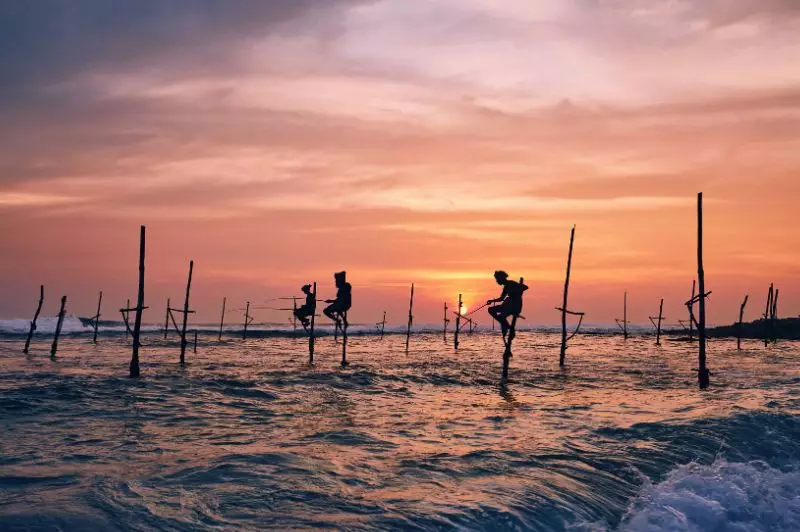
Shikoku is the smallest of these main islands. The lucky travellers who choose to venture into its tranquil and glorious landscapes will find themselves exploring what has been called Japan’s ‘best kept secret’. Sat between the waters of the Pacific and the Seto Inland Sea, Shikoku offers a glimpse of traditional Japan, enchanting visitors with a slow pace of life that it’s easy to slip into the rhythms of. Here, spirituality is still an essential part of daily life; among untouched nature that features wooded mountains, tumbling waterfalls, dramatic canyons and emerald rivers, often adorned with ancient temples, you don’t need to look far to see why the locals are so in touch with the divine.
Bringing together the bucket-list sights of Honshu’s ‘Golden Route’ with the hidden gems of Shikoku could well be the most perfect first-timer experience of Japan. Read on to find out more about our fabulous Gems of Japan & Shikoku itinerary and discover what else you can do in Shikoku in the final paragraph.
Tokyo: Past & Present
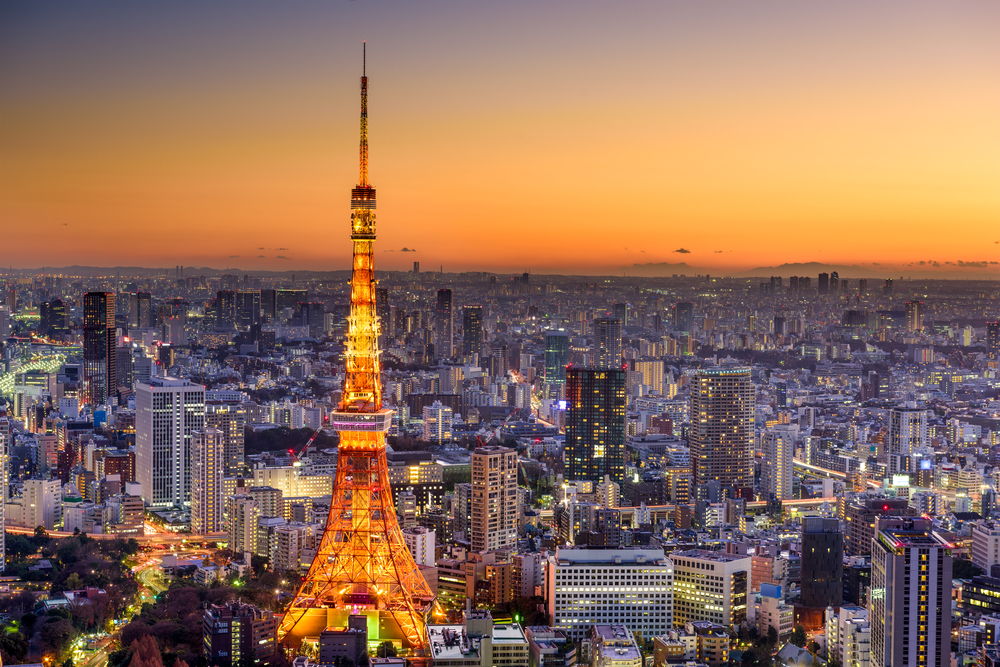
Naturally the adventure begins in Japan’s incomparable capital, Tokyo. Nowhere better demonstrates this nation’s ability to be future focussed while honouring the past like this huge metropolis, filled with so much to see, do and experience.
Your time here includes the historic: the Open-Air Architectural Garden for a stroll through 200 years’ worth of historic homes, izakayas and bathhouses, the Sumida Hokusai Museum to admire the works of the legendary 19th-century artist who brought us the Great Wave, and the Edo-Tokyo Museum for a deep dive into the city’s rise from small fishing village to mega-city.
The present is represented in true Japanese style by the world-famous Shibuya Crossing, a trip up the Shibuya Sky for views of a neon-lit skyline and the iconic Godzilla Head landmark in Shinjuku.
On select dates departing in May and September, you can witness Japan’s national sport at a sumo tournament, a fascinating showcase of Shinto ritual.
Fuji, Farms & Bullet Trains
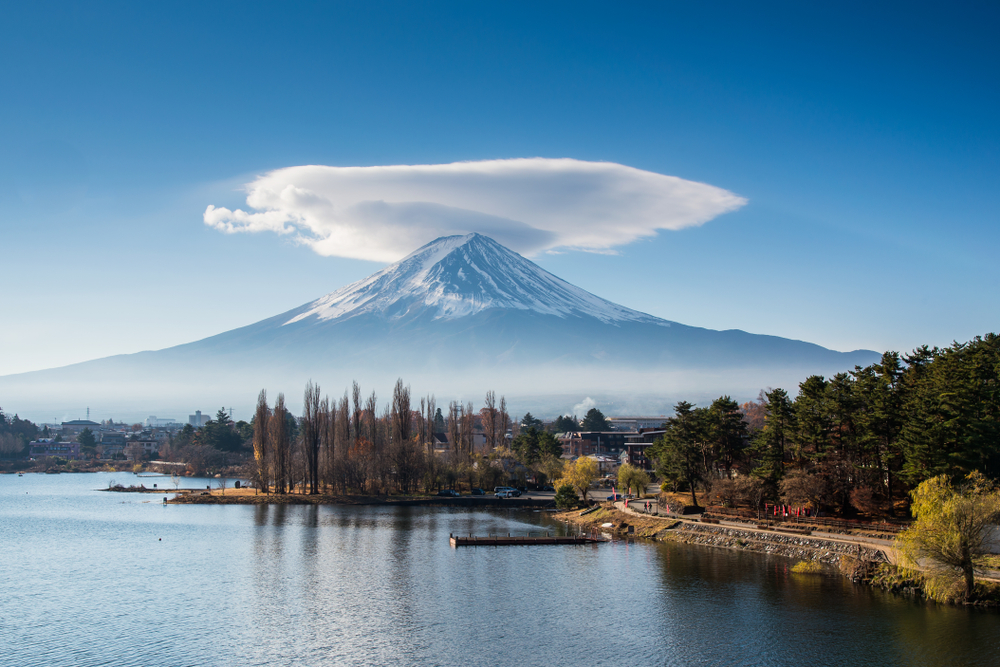
Bid farewell to Tokyo and drive into Shizuoka Prefecture, the home of Mount Fuji. The fertile lands at the foot of this active volcano are particularly known for green tea, so you’ll visit a plantation before meeting Japan’s tallest and most sacred mountain. The Mount Fuji World Heritage Centre is the place to learn more about this national symbol and the inspiration it has had on culture, art, literature and spirituality. From the seaside city of Shizuoka, you’ll have more spectacular views, especially from Nihondaira Yume Terrace.
Nagoya’s SCMaglev and Railway Park will up the excitement for your first bullet train experience; here you can explore Japan’s world-renowned rail heritage, following the development of the cutting-edge technology of high-speed travel. Then, try it out for yourself as you whizz across country to Kyoto.
Ancient Kyoto
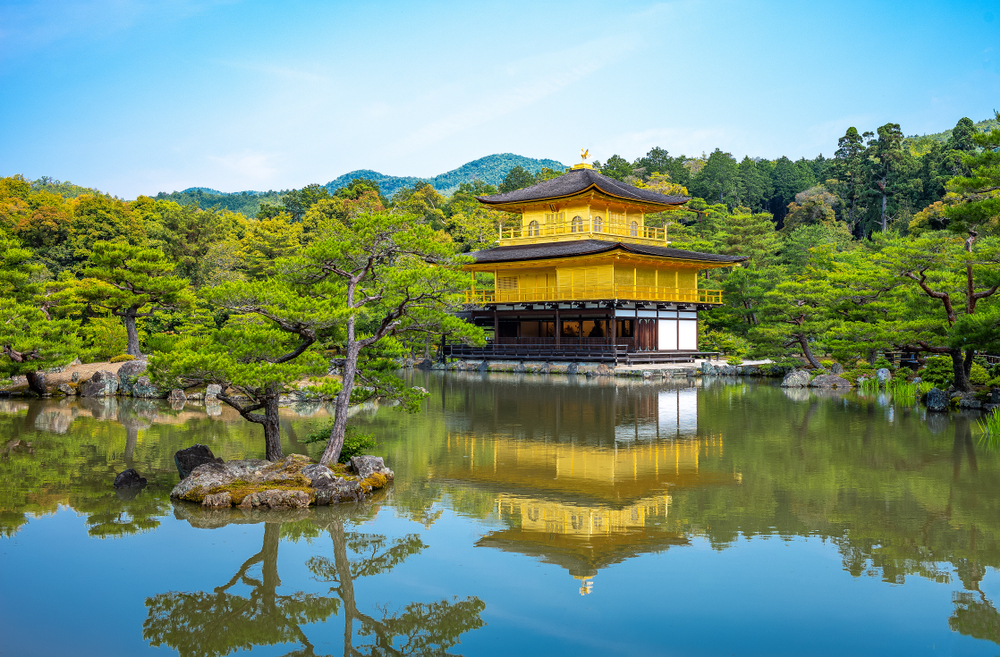
Japan’s treasure trove of traditional culture and architecture, Kyoto is most likely what comes to mind when you think of historic Japan. Your time here will be like taking a step back into the past, wandering the gardens around Kinkaku-ji with its golden pavilion, pondering the Zen garden of Ryoan-ji and soaking up the tranquillity of Tenryu-ji Temple. A tea ceremony, with its ritual preparation of matcha green tea, and a meeting with a maiko (apprentice geisha) will immerse you in the age-old culture that remains so vital in the Japan of today. You’ll also soak up the serenity offered by the rhythmic swish of towering bamboo in Arashiyama Forest and enjoy a free afternoon, exploring whatever sights of Kyoto take your fancy.
Himeji & Hiroshima
A quick bullet train ride will bring you to Himeji, where the imposing white façade of Himeji Castle awaits. Built in 1580, Himeji is Japan’s largest castle and a UNESCO World Heritage Site; with its five-storey main keep and three smaller keeps it is considered the finest example of Japanese castle architecture. Pop next door to Koko-en, a traditional garden laid out in the Edo-period style. There are nine walled gardens through which to stroll, with features such as waterfalls, ponds, hills and bridges.
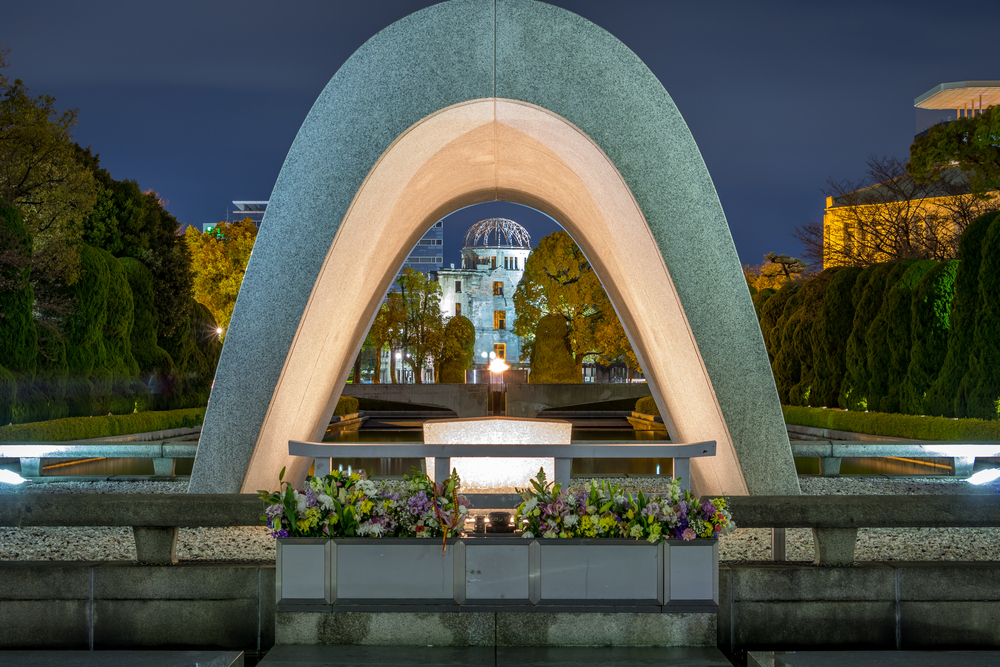
Back on the bullet train, pull into a place that needs little introduction, Hiroshima. Best known as the site of the world’s first nuclear attack on 6 August 1945, the city today is wonderfully vibrant. You’ll get to spend time at the Peace Memorial Park and Museum and view the haunting A-Bomb Dome. The sacred island of Miyajima sits just off the city in the waters of the Seto Inland Sea – take a short ferry ride across to it for a lovely afternoon at Itsukushima Shrine, admiring the ‘floating’ red torii gate and meeting the friendly sika deer (keep hold of your belongings, they can be a bit cheeky!).
Discover Shikoku
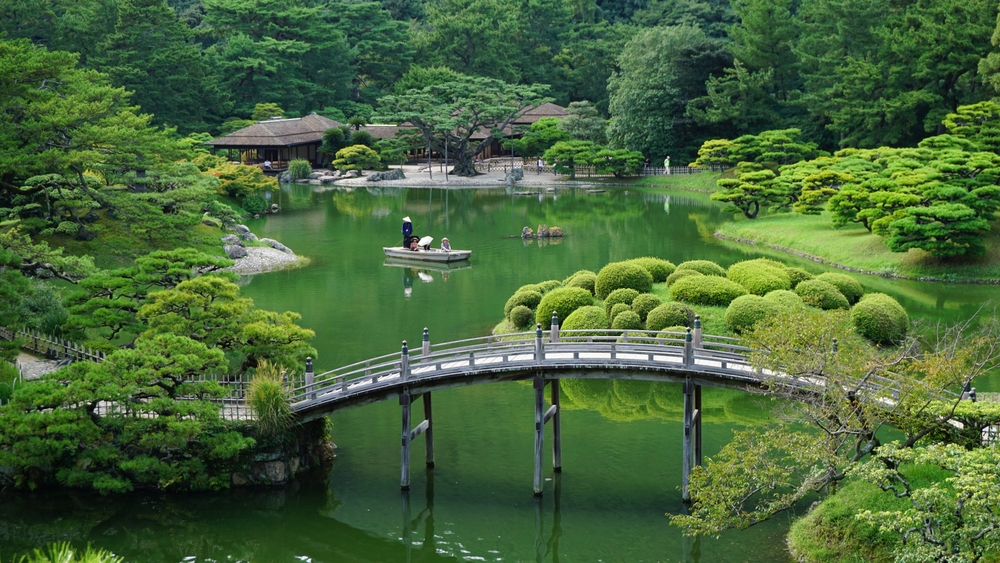
You’ll once again cross the waters of the Inland Sea to reach the tranquil shores of Shikoku where you can find rich culture and quiet charm.
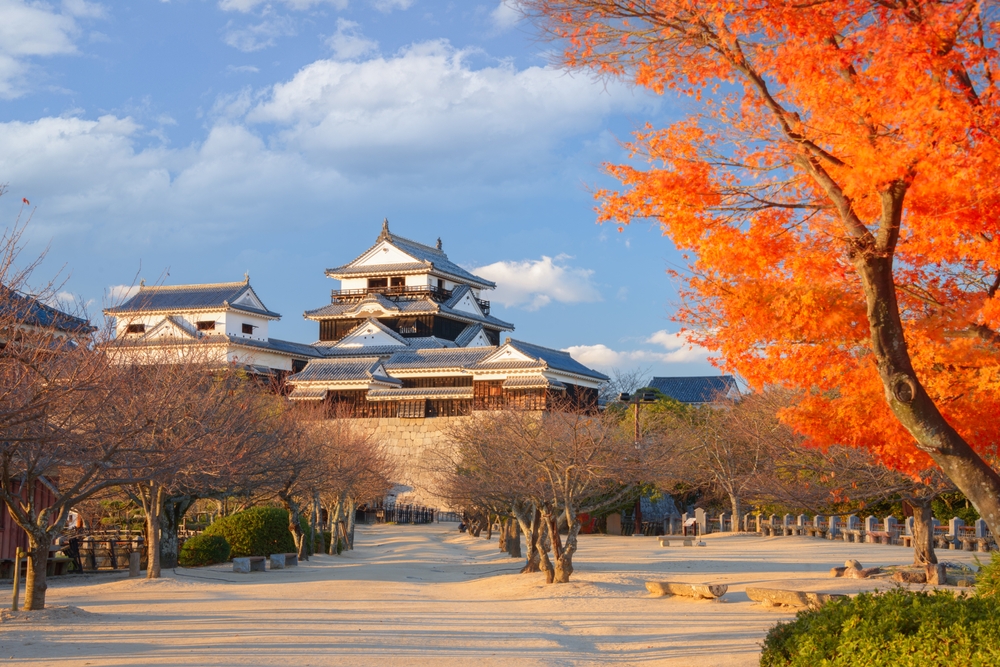
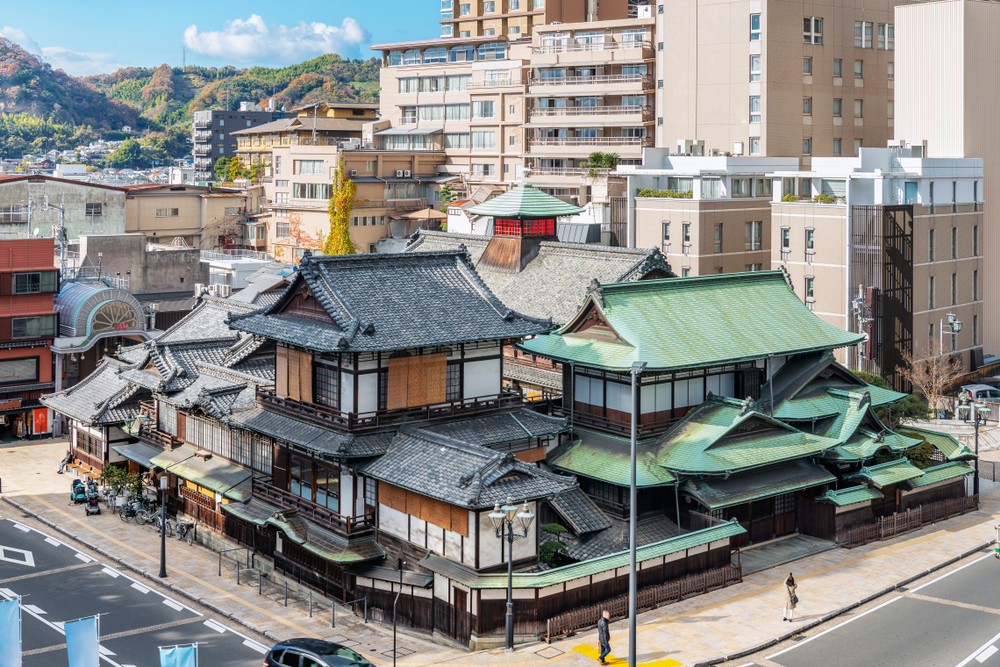
Your time here begins in Matsuyama (fun fact: the birthplace of haiku poetry), visiting the city’s Edo-period hilltop castle, reached by cable car. Regarded as one of the finest examples of a Japanese fortification, don’t forget to peruse the fascinating exhibits of samurai swords and armour during your explorations. Close by is one of Japan’s oldest hot springs; Dogo Onsen has been in use for 3,000 years and has a prestigious history (the imperial family bathed here). Legend tells that the waters cured the illness of a deity in ancient times so people still flock here to soak in the mineral rich waters of the many ryokans, something which you can also do while here. At its heart is Dogo Onsen Honkan, a beautiful bathhouse from 1894 whose steamy maze-like interiors are said to have inspired the Studio Ghibli movie Spirited Away.
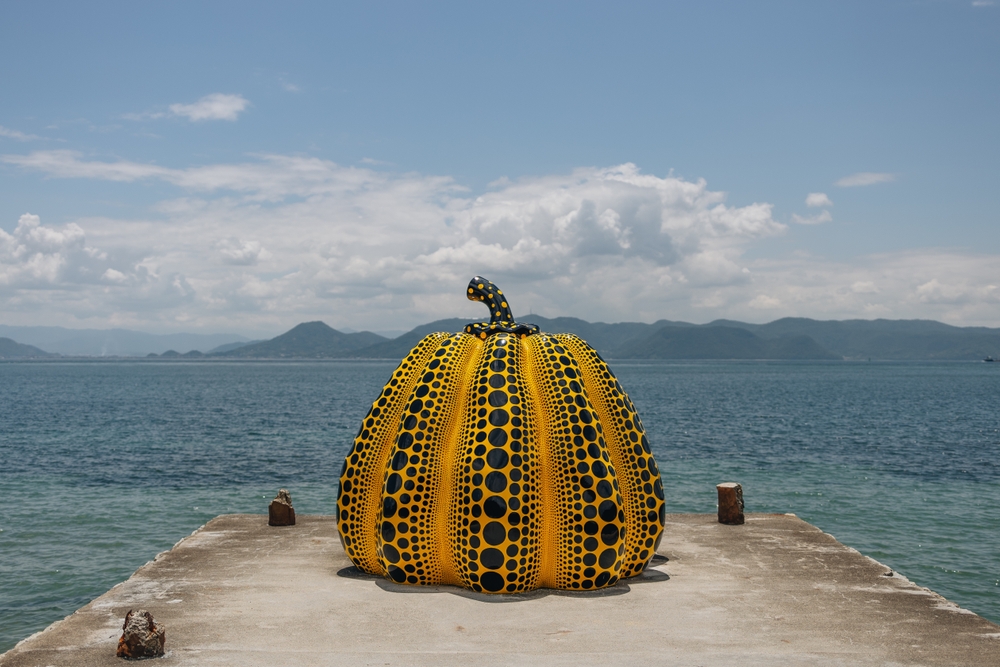
Speaking of art, the intriguing island of Naoshima is not to be missed. Known for its blend of art, nature and architecture, the island is dotted with contemporary art museums and installations. These include the Chichi Art Museum, which houses works by Monet, Turrell and De Maria, the Benesse House Museum, the Art House Project and various outdoor sculptures like Yayoi Kusama’s iconic Pumpkins.
An island of rich fertile soil, the ideal climate and mountainous terrain, Shikoku is lavishly green. Crops grow in abundance, particularly citrus fruit and tea so you’ll pay a visit to a citrus farm, heading into an orchard to pick a mikan orange, a local specialty, to taste. From agricultural lushness to cultivated precision, come next to Ritsurin, one of Japan’s most beloved formal gardens. A masterpiece of ponds, bridges, and manicured pines, stroll its serene pathways to discover endless delights.
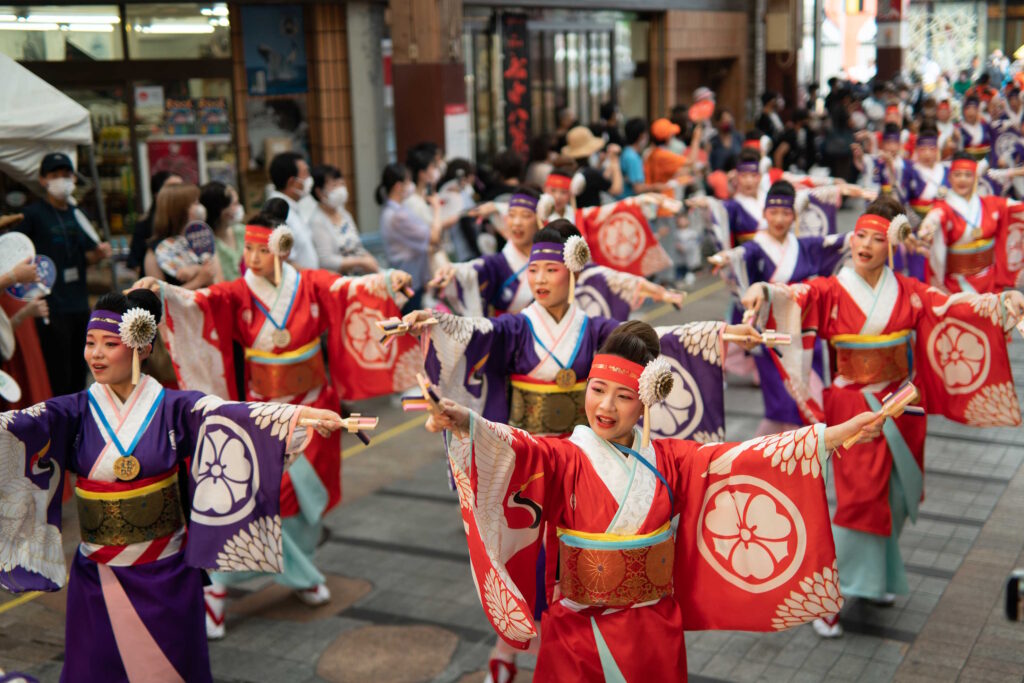
Shikoku is also home to one of Japan’s largest and most traditional dance festivals. In August, the streets of Tokushima fill with dancers and musicians playing traditional instruments for huge and colourful parades and is attended by thousands of visitors annually. For those who visit outside of festival time, the Awa Odori Kaikan museum hosts daily performances alongside exhibits on Japan’s most famous traditional dances – you’ll pop in for a visit before hopping on a ferry back to Honshu.
Time To Say Farewell
With a final meal under the bright lights of Osaka, your time in Japan comes to an end. Return home to friends and family full of tales of this enchanting nation’s incredible sights, breath-taking scenery, rich culture and secret gems.
Shikoku: More on Japan’s Hidden Gem

©TOURISM SHIKOKU ©TOURISM SHIKOKU ©TOURISM SHIKOKU ©TOURISM SHIKOKU
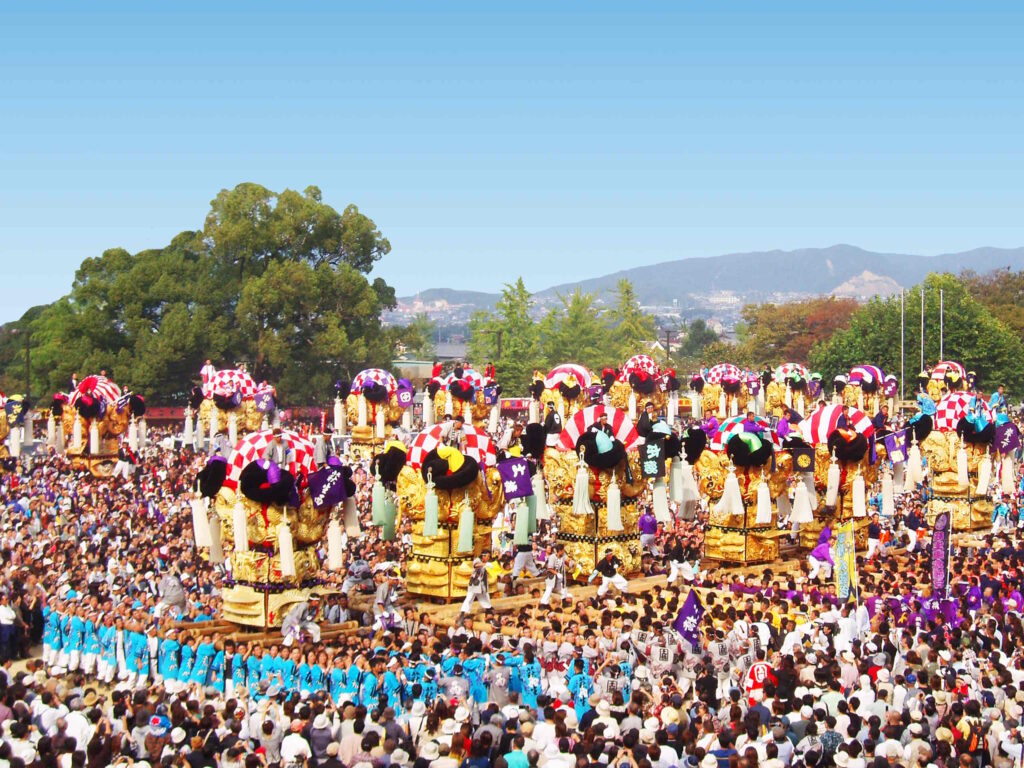
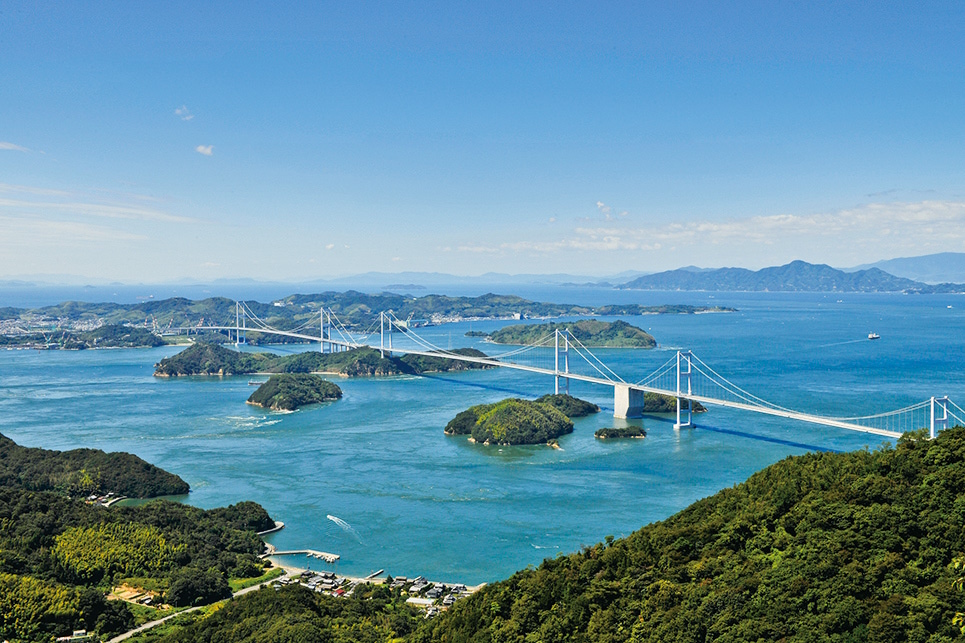
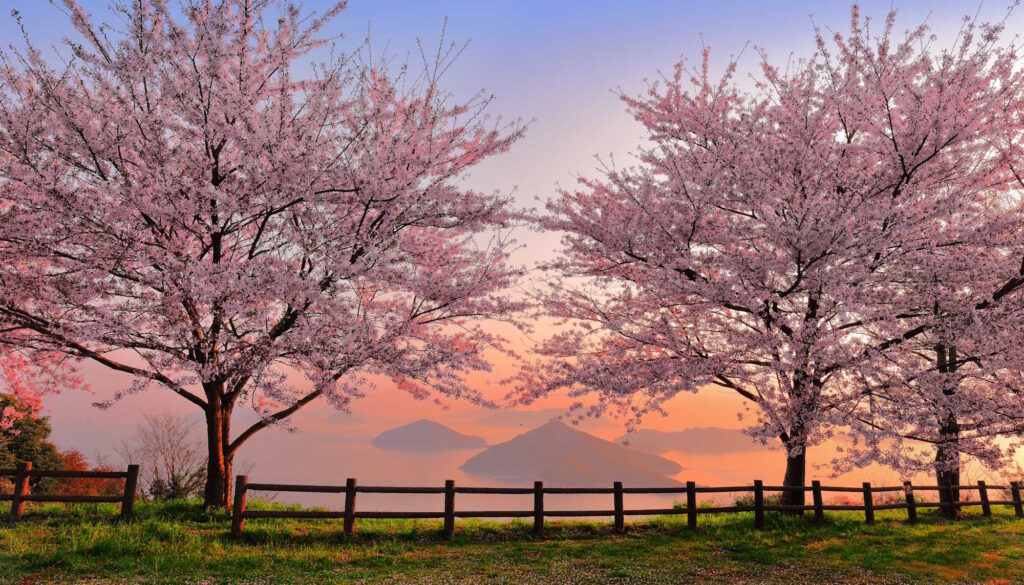
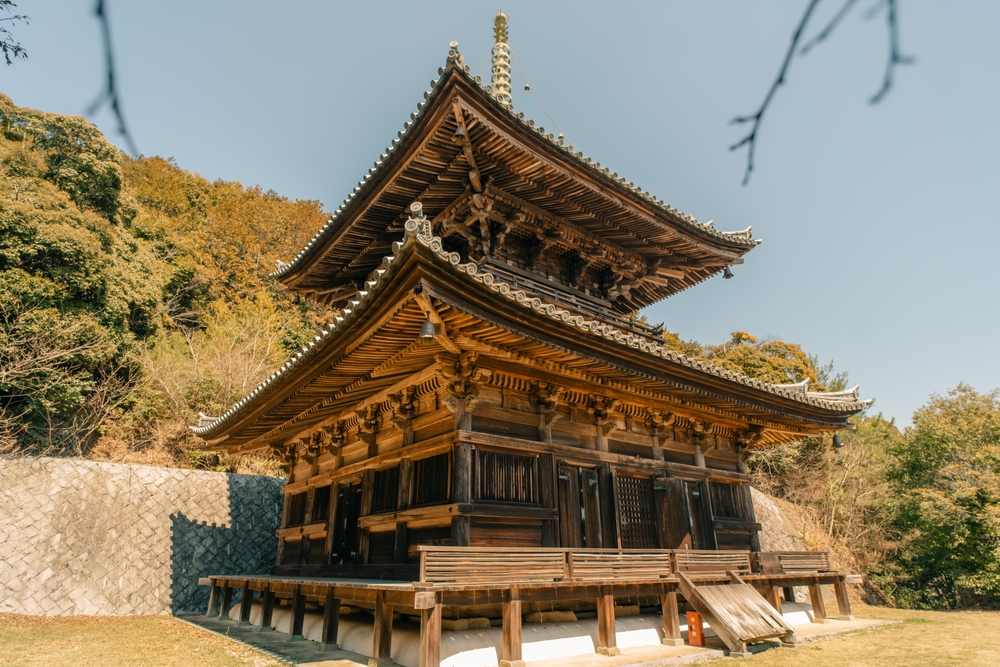
Although a hidden gem, Shikoku has a rich variety of experiences for visitors, and while we include a good variety of them on our itinerary, there is even more to discover.
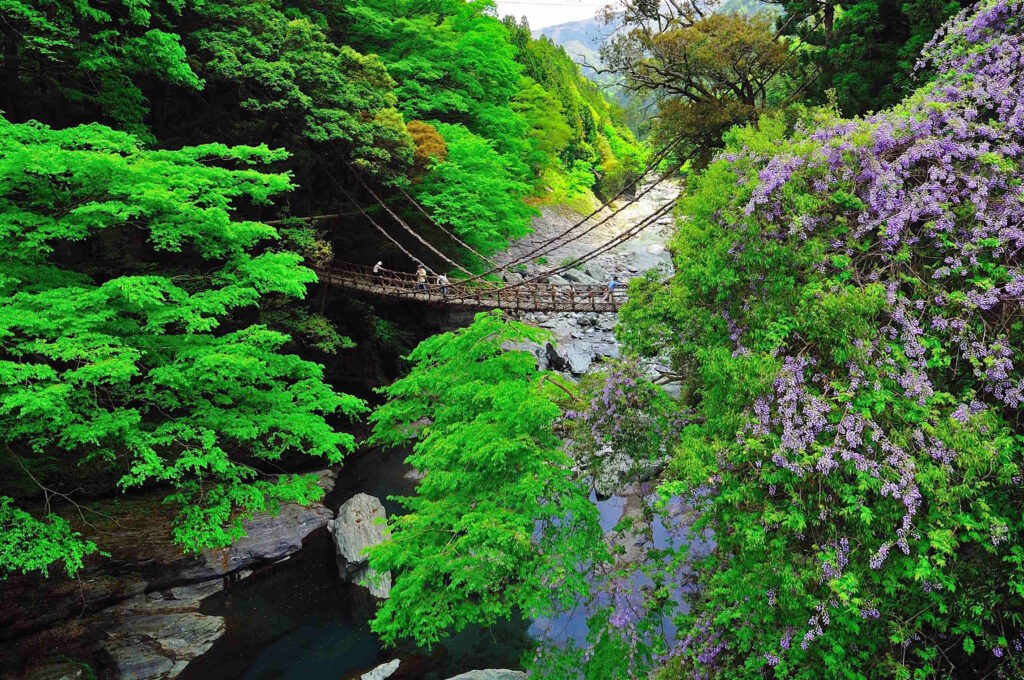
When you explore Shikoku on a tailormade itinerary, you could cycle the scenic Shimanami Kaido bridges over the Seto Inland Sea or explore the other three of the four of Japan’s 12 remaining original Edo-period castles – Kochi, Marugame and Uwajima. If you have more time, then you could embark on all or some of the spiritual 88 Temple Pilgrimage, an experience made extra authentic by the locals who warmly welcome you with drinks, fruit, and other small gifts along the way. Outdoor adventure seekers will love the Iya Valley for its hiking, kayaking, white-water rafting, and swaying traditional Vine Bridges (kazurabashi). From summer into autumn, the region comes alive with distinctive local festivals, including Awa Odori — one of Japan’s three great Bon Odori festivals, as well as the Yosakoi Festival and the Niihama Taiko Festival.
To keep you fuelled during your explorations of the extraordinary Shikoku, make sure you try tasty local dishes like Tokushima ramen, Sanuki udon, sea bream rice (tai meishi), or seared skipjack tuna (katsuo no tataki).
Shikoku is also easy to access with JAL operating 18 daily flights from Tokyo to all four of Shikoku’s prefectures. With so much adventure to be had in a place that so few have discovered, what are you waiting for?

Gems of Japan & Shikoku
15 days from £7290pp
Fully Inclusive of Tour & Flights
Discover vibrant Tokyo - Mount Fuji - Tea ceremony in Kyoto - Hiroshima's Peace Memorial Park and Museum - Visit the charming island of Shikoku