Moon festivals in Asia are celebrated on the 15th day of the 8th month of the lunar calendar, which is between mid-September and early October to those of us on the Gregorian calendar. This coincides with the harvest moon – the full moon that occurs closest to the autumn equinox – and brings with it celebrations centred around the harvest, and the moon, across East Asia. These celebrations involve moon gazing, colourful lanterns, a variety of delicious snacks, and rabbits (a common myth across East Asia – a mix of recognisable shapes in moon shadows and Buddhist folklore)!
Read on the discover what it’s all about in different countries across the region.
China
Also known as the Mid-Autumn Festival, China’s Moon Festival celebrates the harvest. It is one of the country’s most important festivals with a history dating back over 3,000 years and is a time for family reunion, so most celebrations happen at home. As well as gathering with family and friends and the harvesting of crops, the festival is also about giving thanks and praying for things such as beauty, longevity or good fortune.
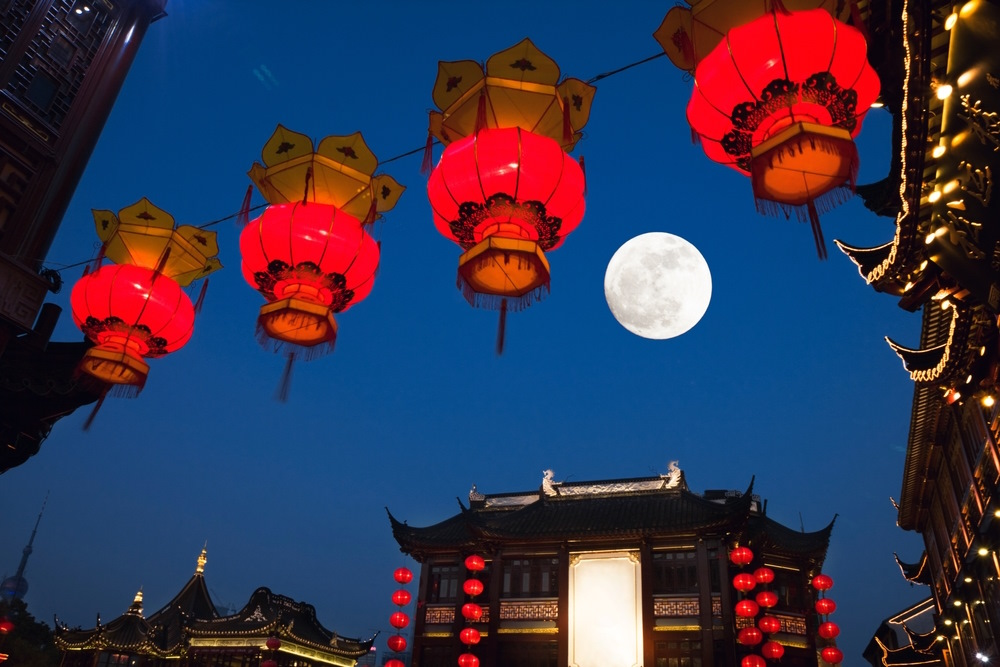
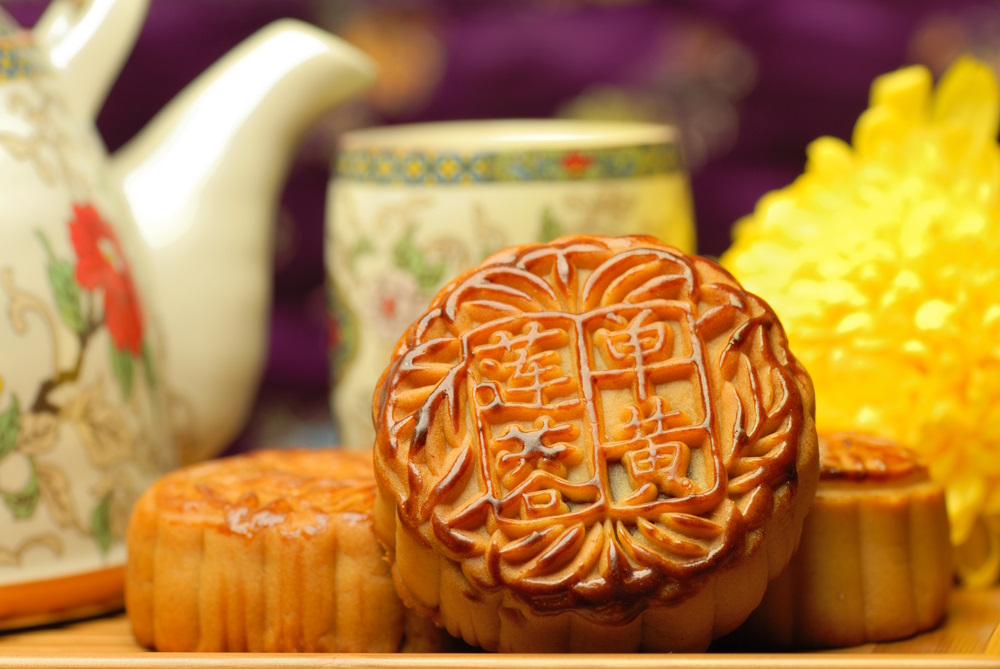
Time is spent moon gazing – looking out for the moon goddess Chang’e and her rabbit companion- and eating moon cakes, pastry stuffed traditionally with salted egg yolk and lotus paste or, in the case of contemporary versions, ice cream, fruit and custard. Locals may also eat taro (a homonym for ‘good fortune comes’) and hairy crab, a seasonal delicacy. You’ll also often see children carrying lanterns, a glowing tribute to the moon and representative of guidance and families reuniting.
Singapore
With 75% of the population ethnically Chinese, Singapore’s Moon Festival is closely tied to the celebrations seen in China. Chinatown particularly goes large, with displays of goldfish and star-shaped lanterns and a bustling bazaar with stalls selling ornaments and snacks. You’ll also find some extravagant lantern displays around the city, particularly at attractions like Gardens by the Bay, as well as live performances and fun activities like lantern painting. The beach is Singapore’s place of choice for moon gazing and for those looking for moon cakes, try traditional Chinese bakeries.
South Korea
Called Chuseok or Hangawi, South Korea’s three-day Moon Festival is one of the biggest and most important festivals in the country’s calendar. In celebration of the good harvest, everyone travels back to their hometowns to celebrate with family and friends. Ancestor worship is also a major tradition of the holiday – holding memorial services for ancestors, visiting and tidying ancestral graves and preparing ancestors’ favourite meals as an offering.
Many people choose to dress in a traditional hanbok for the occasion and give gifts; over time these gifts have evolved from daily necessities like sugar and soap to skin care, health supplements and fruit. Throughout the three days there is moon gazing (keeping an eye out for the moon rabbit ‘daltokki’ who is said to be pounding the ingredients for rice cakes with a pestle and mortar) and ways to connect as a family, like traditional circle dances and folk games. Snacks include songpyeon, a half-moon shaped rice cake with a semi-sweet stuffing as well as seasonal fruit and vegetables like persimmons and chestnuts.
Japan
Japan’s Moon Festival is called Tsukimi – ‘looking at the moon’. It can be traced back to the Heian era (794-1185); at this time the aristocracy would throw harvest moon viewing parties which involved floating in boats to look at the moon’s reflection, composing and reciting poetry to the moon, eating white rice dumplings and offering sake to the moon as prays for an abundant harvest.
Today’s traditions include adorning the home with pampas grass to represent a bountiful harvest and eating tsukimi dango, rice dumplings, to celebrate the beauty of the moon and symbolise health and happiness. Seasonal foods are also eaten in abundance, like chestnuts and pumpkin, as well as eggs, as they are suggestive of the full moon. In Japan, the moon rabbit ‘tsuki no usagi’ is said to be pounding mochi with a wooden mallet and is thanked for a bountiful harvest.
Vietnam
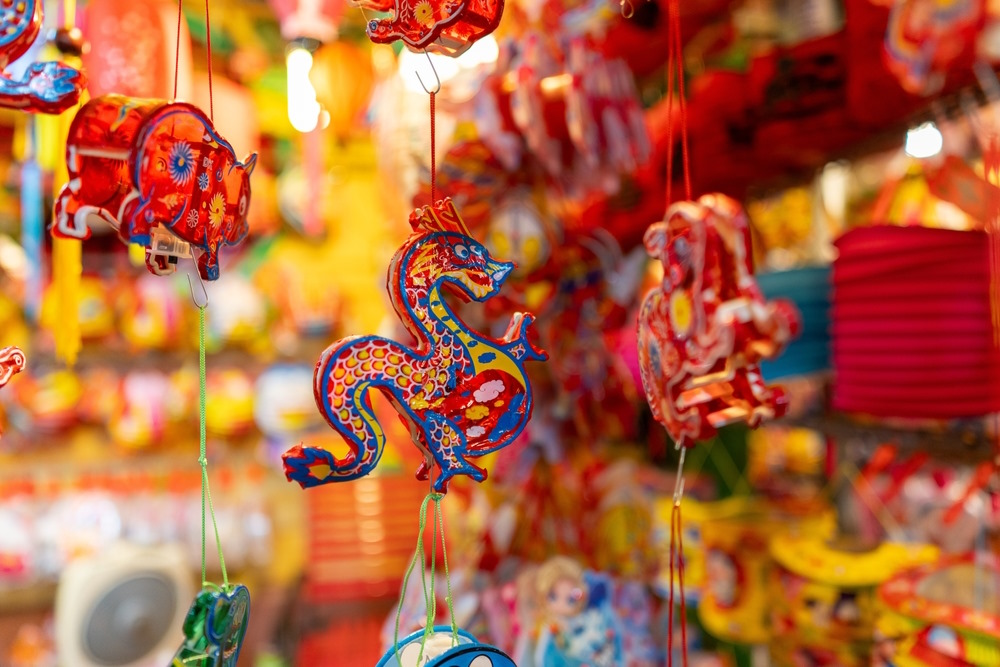
The festival of Tet Trung Thu, or Children’s Festival, is tied to a folktale about a woodsman who floated to the moon on a magical banyan tree with children taking to the streets in processions with lanterns, said to guide the woodsman back down to earth. Feasts are organised to watch the moon; when it is high in the sky songs and dances are performed by children as well as traditional dragon or lion dances for entertainment. Parents give gifts to their little ones which typically include a star lamp, a mask and edible figurines. Moon cakes are also eaten and given as gifts.