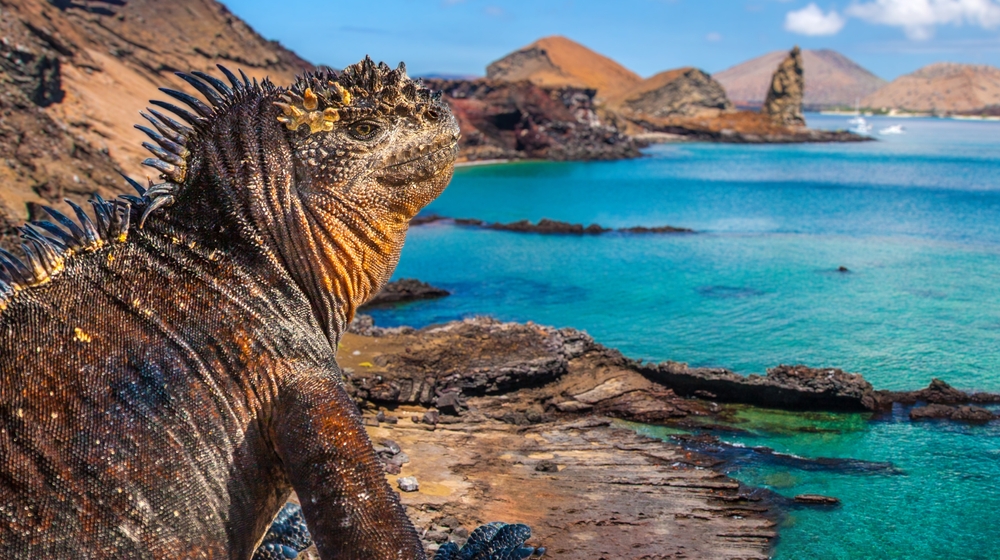
Sat 600 miles off the coast of Ecuador, the remote Galapagos archipelago is made up of around 127 islands, islets and rocks. Formed by millennia of volcanic eruptions, some of which are still occurring today, the islands are best known for inspiring Charles Darwin’s revolutionary Theory of Evolution.
Now a bucket list destination for many and still a living laboratory for scientists and naturalists, exploring the Galapagos gives you access to some of the world’s most extraordinary wildlife and unspoiled habitats. Spotting iconic giant turtles on land and playful sea lions out on the water, to mention just two, you’ll get to see sights and species found nowhere else – a true once-in-a-lifetime experience.
There are many, many fascinating things to know about this incredible destination, but here are our favourite seven interesting facts about the Galapagos Islands.
1. What’s in a name?
The name Insulae de los Galopegos (“Island of the Tortoises”) first appeared on a map in 1570. It’s said that when 16th-century Spanish explorers first came across this remote archipelago in the Pacific, they noted the abundant giant tortoises and named the islands from the old Iberian word galapago, meaning either “saddle” (in reference to the tortoises’ domed shells) or “tortoise”. However there seems to be a bit of a “chicken or egg” dilemma the more you read into it – were the islands named for the tortoises or the tortoises named for the island? This one you’ll have to decide for yourself!
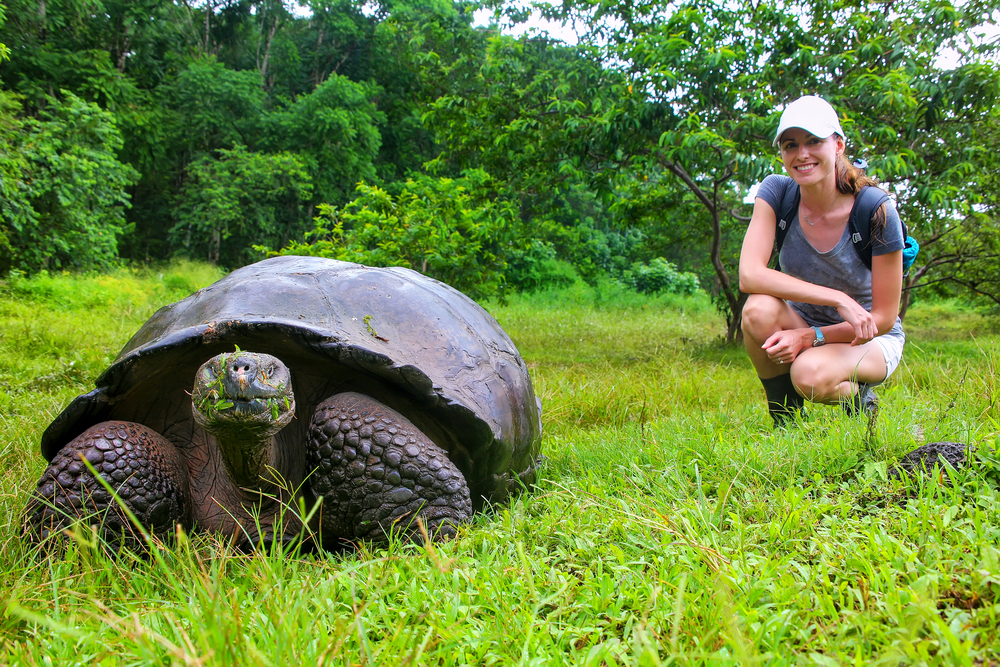
2. The Galapagos Islands’ animals are indifferent to people
For millennia, most of the species born within the isolation of the islands have not had a native predator to evade, meaning they’ve never had to develop much of a ‘fight or flight’ instinct. Visitors find that most Galapagos animals couldn’t care less if a person gets close to them, and while this provides unparalleled wildlife viewing and encounters, it can threaten these unique environments, so there are strict rules in place that must be followed for their protection.
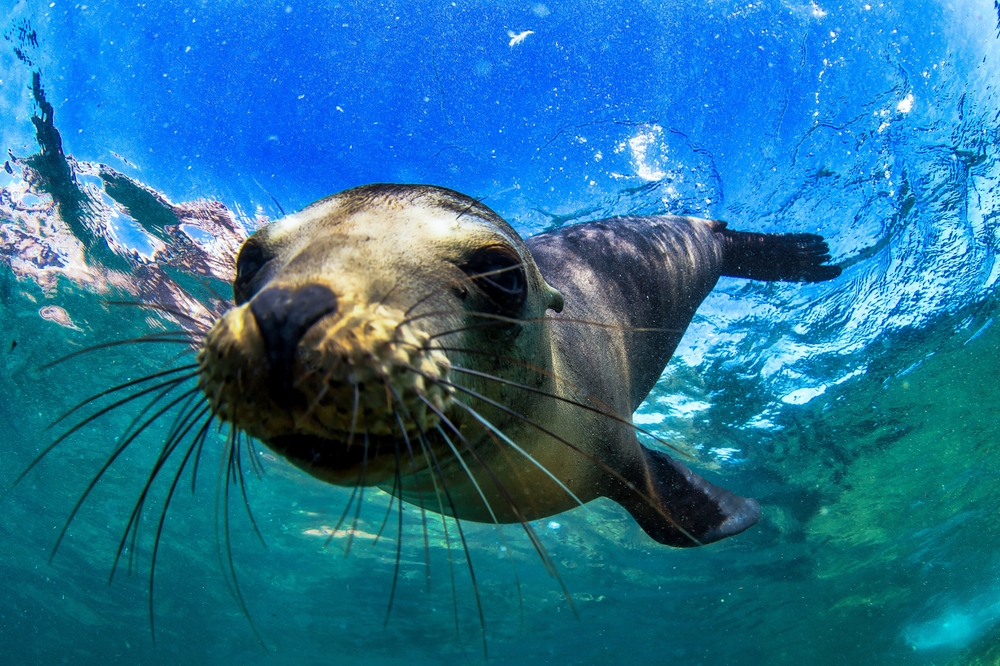
3. 97% of the Galapagos Islands is protected
As such a globally significant ecosystem, 97% of the Galapagos Islands’ land area has been a designated National Park since 1959, and the surrounding waters a vast Marine Reserve, to protect the plentiful unique endemic species and pristine landscapes. As protected as they are, the islands still need plenty of conservation and are a template for global conservation efforts too. The islands are also a UNESCO World Heritage Site, designated because of the exceptional ecosystems, animals and their role in Darwin’s Theory of Evolution. In fact, the Galapagos Islands were the first natural site to be inscribed by UNESCO in 1978.
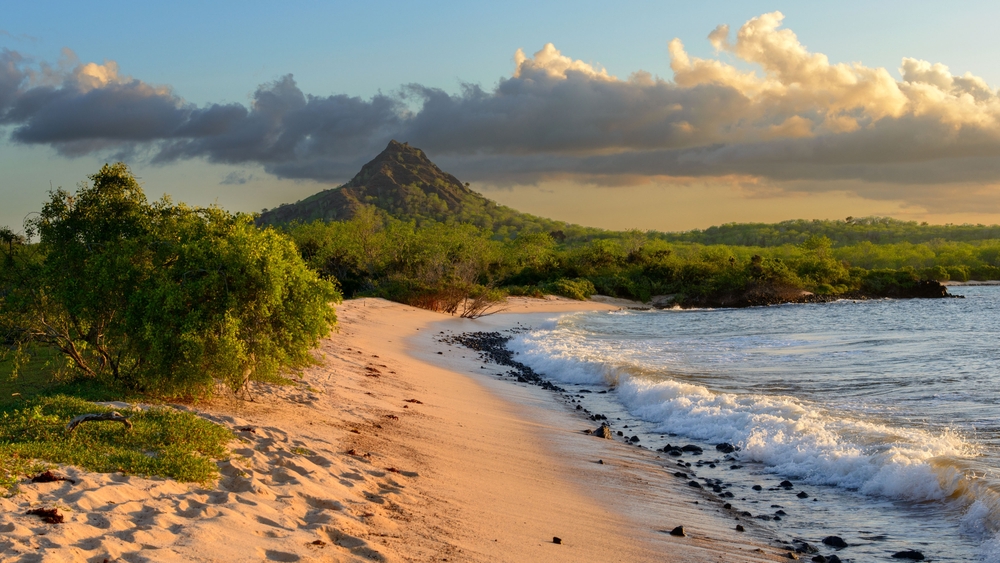
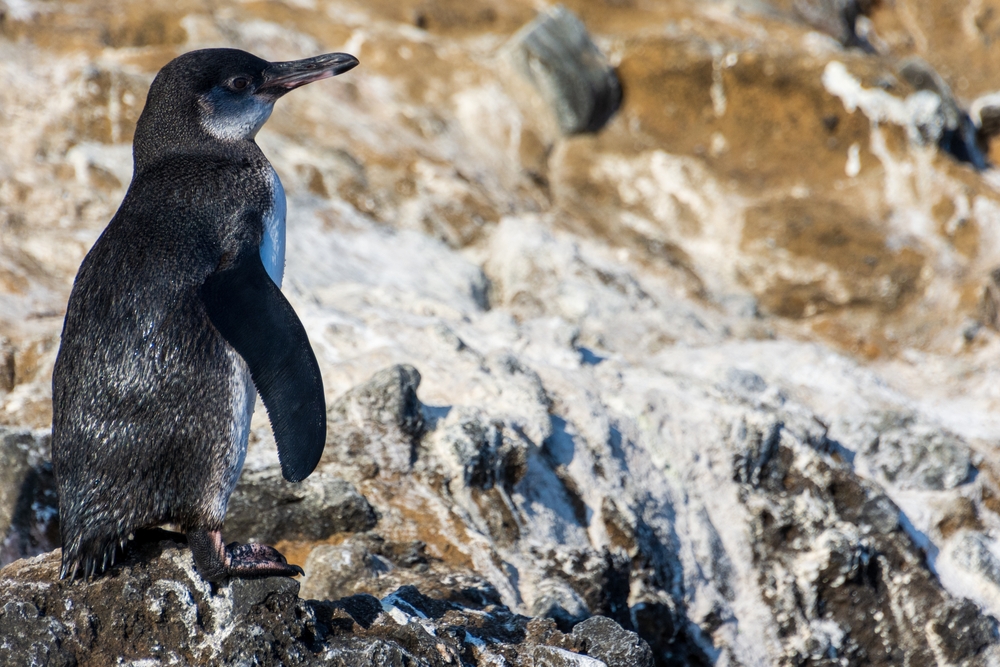
4. Home to the only Northern Hemisphere penguins
The Galapagos Islands are home to the only species of penguins that live north of the Equator who, thanks to the cold, nutrient-filled waters of the Humboldt Current thrive in these warmer climes. These tropical penguins, a species endemic to the Galapagos, are living their best lives waddling about on land (mainly on Fernandina and Isabela islands), sunning themselves on beaches and streaking through the water, making them easily spottable for visitors.
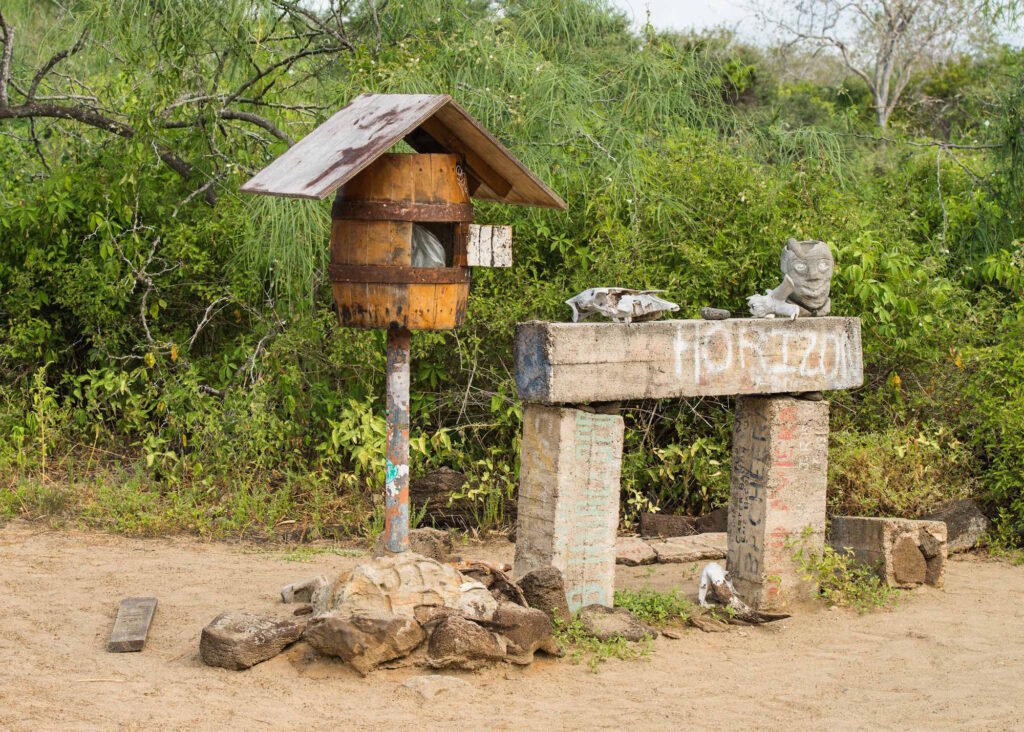
5. The Galapagos Islands have a fascinating postal tradition
Floreana Island is home to Post Office Bay, which got its name exactly the way you would expect! In the 18th century, crews on whaling vessels came up with an inventive way to get letters home to their families – a wooden barrel. The seamen would leave their correspondence in the barrel to be picked up by those on homeward voyages who would then deliver those letters when they were back on land. This tradition still happens today – visitors are able to leave letters or take those left to deliver on their return home.
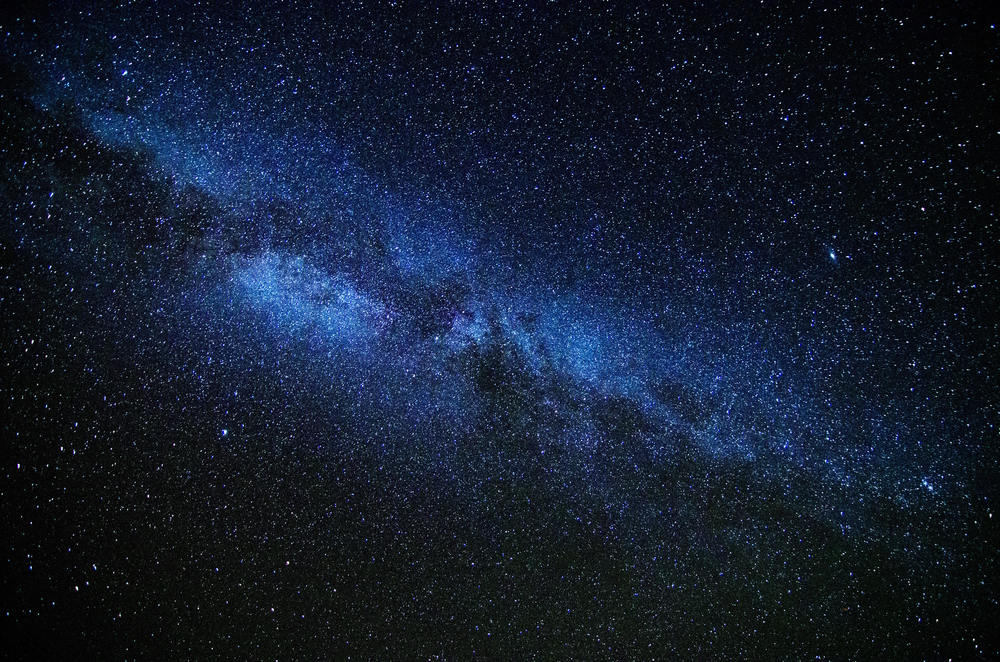
6. You can see all the constellations
Being hundreds of miles off the South American continent and with a tiny human population spread over four islands, the skies over the Galapagos, thanks to a lack of light pollution, are absolutely dazzling at night! Not only are they perfectly dark, the fact that the islands straddle the Equator means that you have the unique opportunity to spot constellations from both hemispheres at the same time.
7. You can visit the Galapagos Islands all year round
Smack bang on the Equator, the Galapagos is an anytime destination. With only minimal changes in weather patterns and the vast majority of animals present throughout the year, you’ll find that a cruise is operating whenever it suits you best. There are, however, things to consider when you are deciding the best time to visit. There are two ‘seasons’: a cool and dry one that runs from June to November, and a warm and wet one from December to May. The waters around the islands can be choppiest in August and September, so perhaps a time to avoid if you get seasick.
Seeing the Galapagos Islands with Wendy Wu Tours
From the mystical lands of the Incas to the enthralling islands of the Galapagos, our Galapagos & Machu Picchu Cruise & Tour itinerary brings together two legendary destinations. Explore Peru by land, ticking off Machu Picchu before ticking off the must-see sights of Ecuador’s capital city Quito.
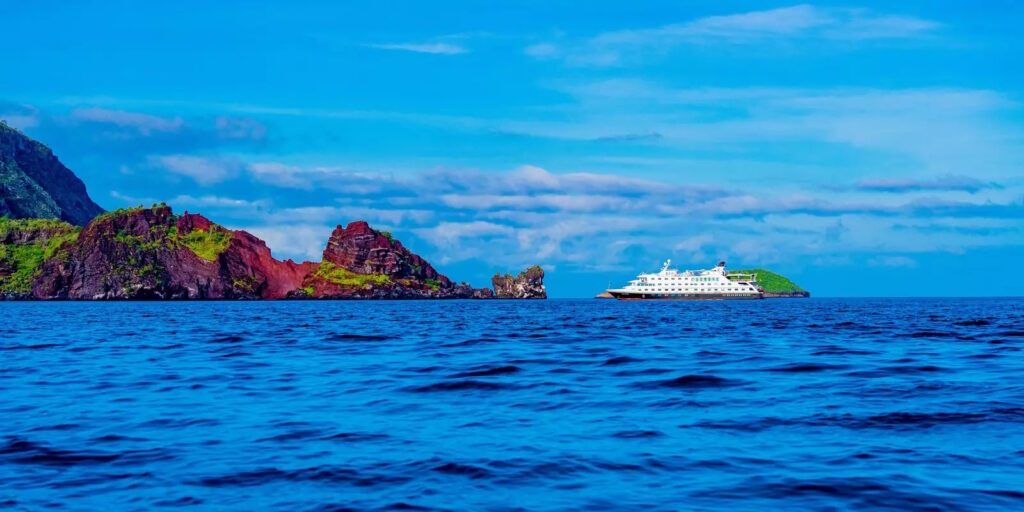
Then, fly to Baltra, an island of the Galapagos archipelago, where you’ll board the MS Santa Cruz II, your HX Expeditions ship for an eight-night cruise around the islands. Your days will be filled with adventure, guided by a team of expert naturalists; visiting the islands can be as active as you want it to be with snorkelling, kayaking and hiking all options to help you explore further.

Galapagos Cruise & Machu Picchu
19 days from £13990pp
Inclusive of Tour, Cruise & Flights
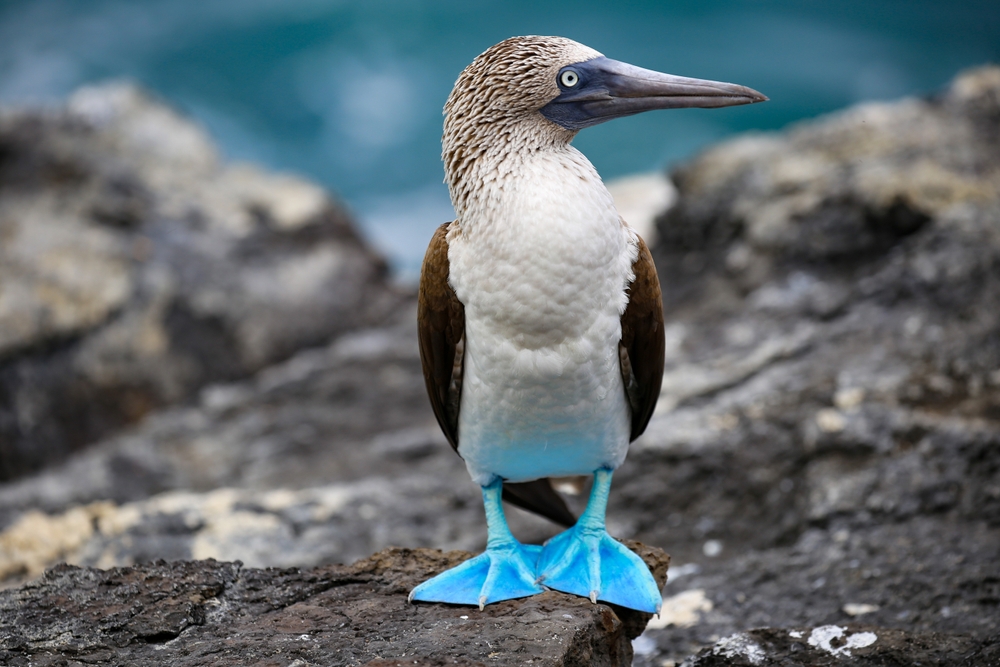
Explore Peru's Incan heritage - Visit Machu Picchu and Cusco - Stand on the Equator in Quito - Cruise the Galapagos Islands on MS Santa Cruz II - All-inclusive expedition cruise experience - Wildlife encounters including giant tortoises, penguins and sea lions