The Award-Winning Tour Specialist

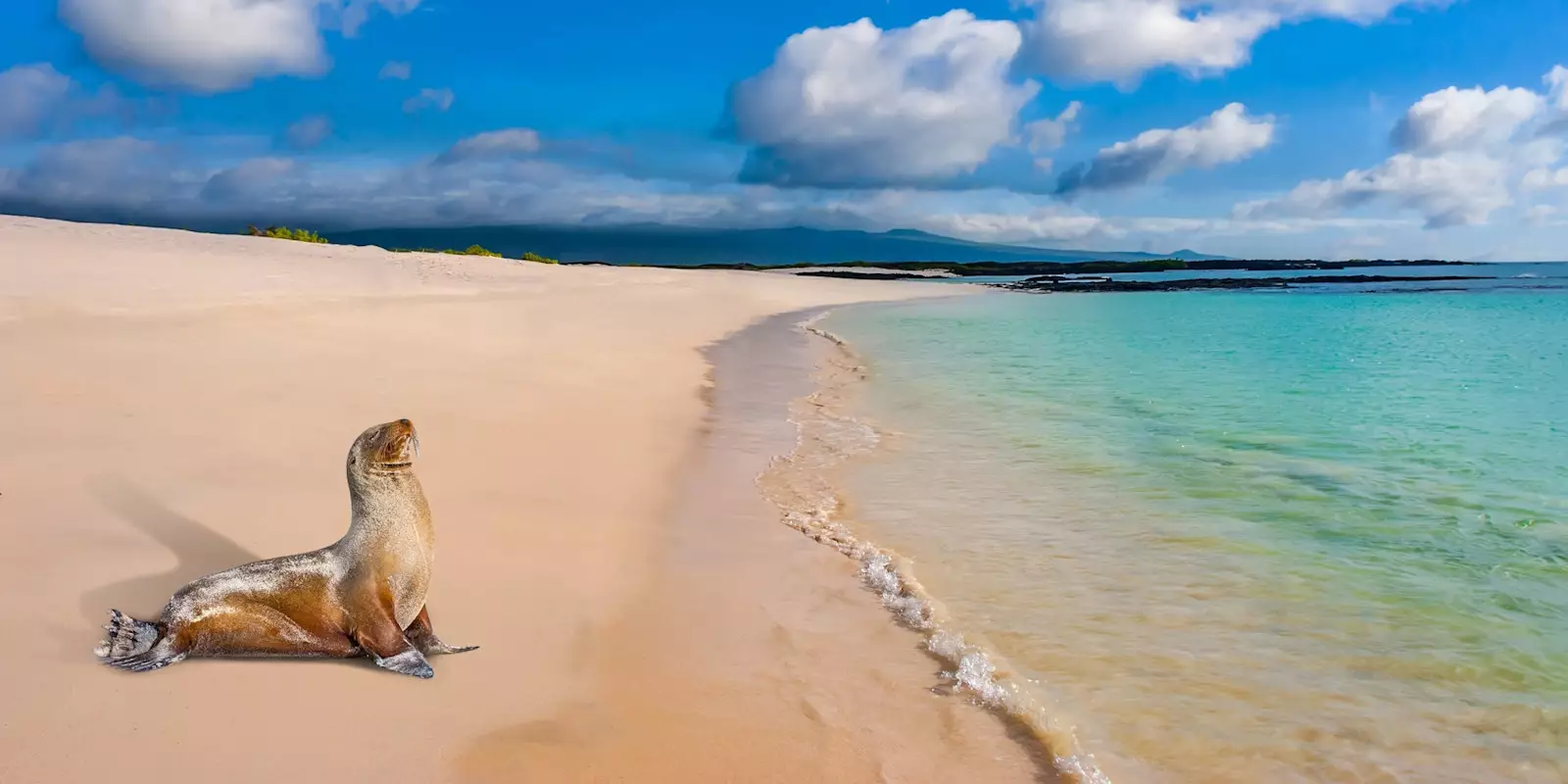
Explore the Galapagos Islands with Wendy Wu Tours
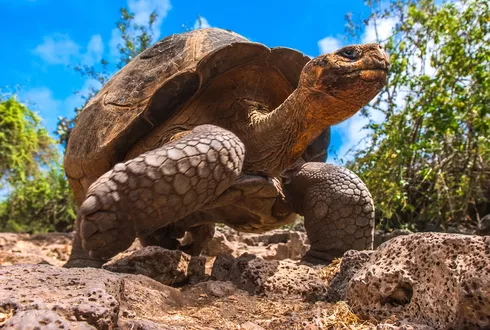
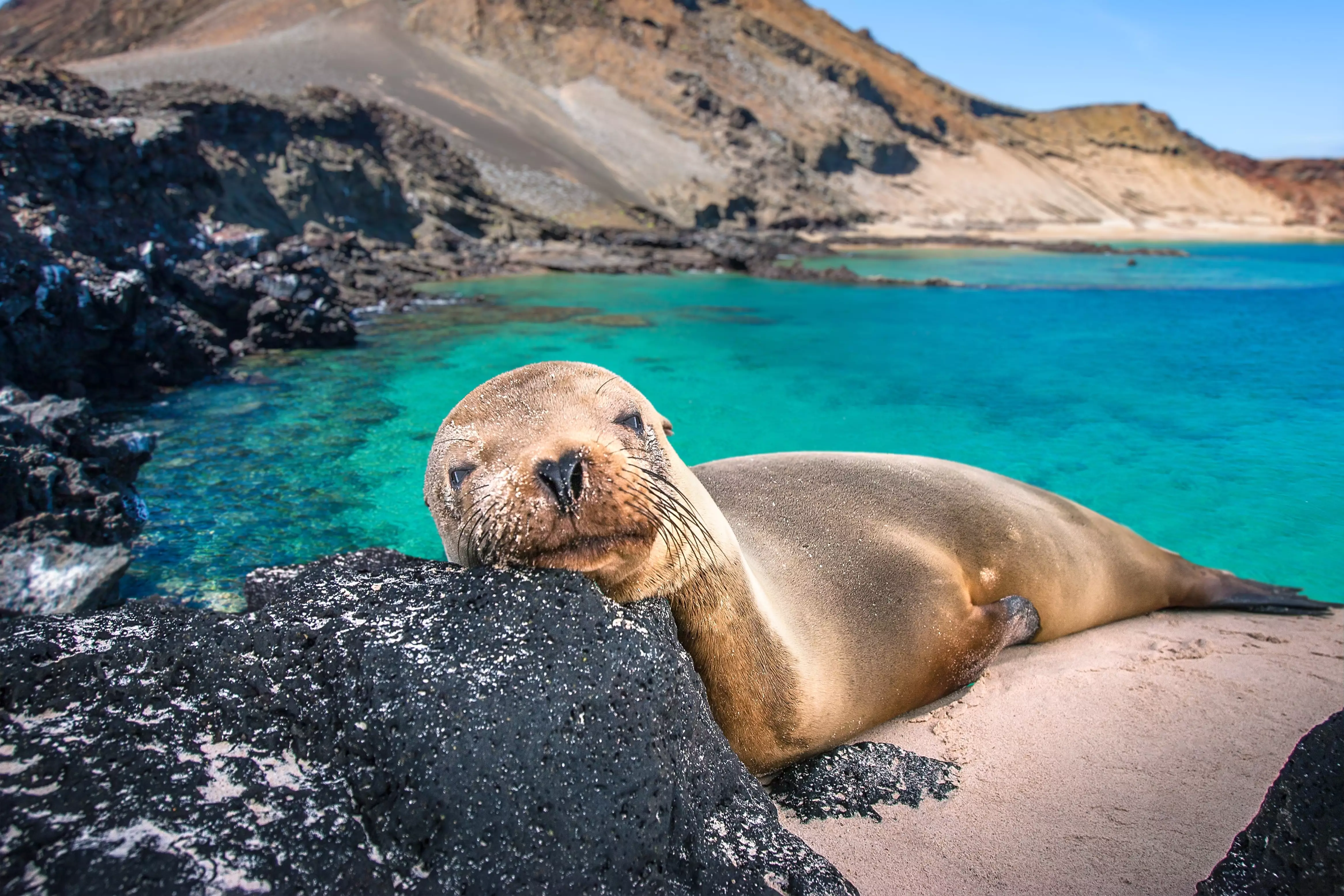
When the geography is just as fascinating as the things that call these islands home, you know you’re in for an epic adventure... Formed by millennia of volcanic eruptions (some of which are still occurring today) and the seismic activity of the Nazca tectonic plate, there are 13 main islands, 6 smaller islands and over 100 islets in the Galápagos chain. The islands’ landscapes are otherworldly to look at, featuring volcanic cones and jagged lava fields as well as lush, green highlands. Each island has its own unique features. Santa Cruz, Isabela and San Cristóbal are the three main inhabited islands. On Santa Cruz, you’ll find abundant giant tortoises and the unmissable Charles Darwin Research Station; it is also the main tourist hub with hotels and restaurants. San Cristóbal is home to the provincial capital, with sea lions on town beaches and great snorkelling spots. The uninhabited islands are home to volcanic panoramas, towering cactus forests, deep calderas, sinkholes, dramatic coves and sheer cliffs. Pinnacle Rock off Bartolomé is one of the Galapagos’ most recognisable and photogenic landmarks, a volcanic tuff cone rising above a golden sand beach and deep blue water.
 Subscribe to our newsletter for the latest offers and receive £50pp
off your Wendy Wu tour.
Subscribe to our newsletter for the latest offers and receive £50pp
off your Wendy Wu tour.The Galapagos Islands offers a wealth of wonderful sights and experiences. What better way to explore them than on a Wendy Wu tour?
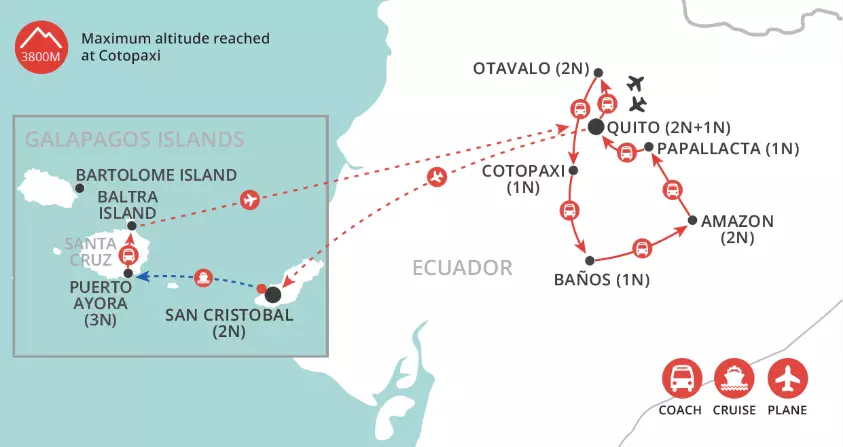
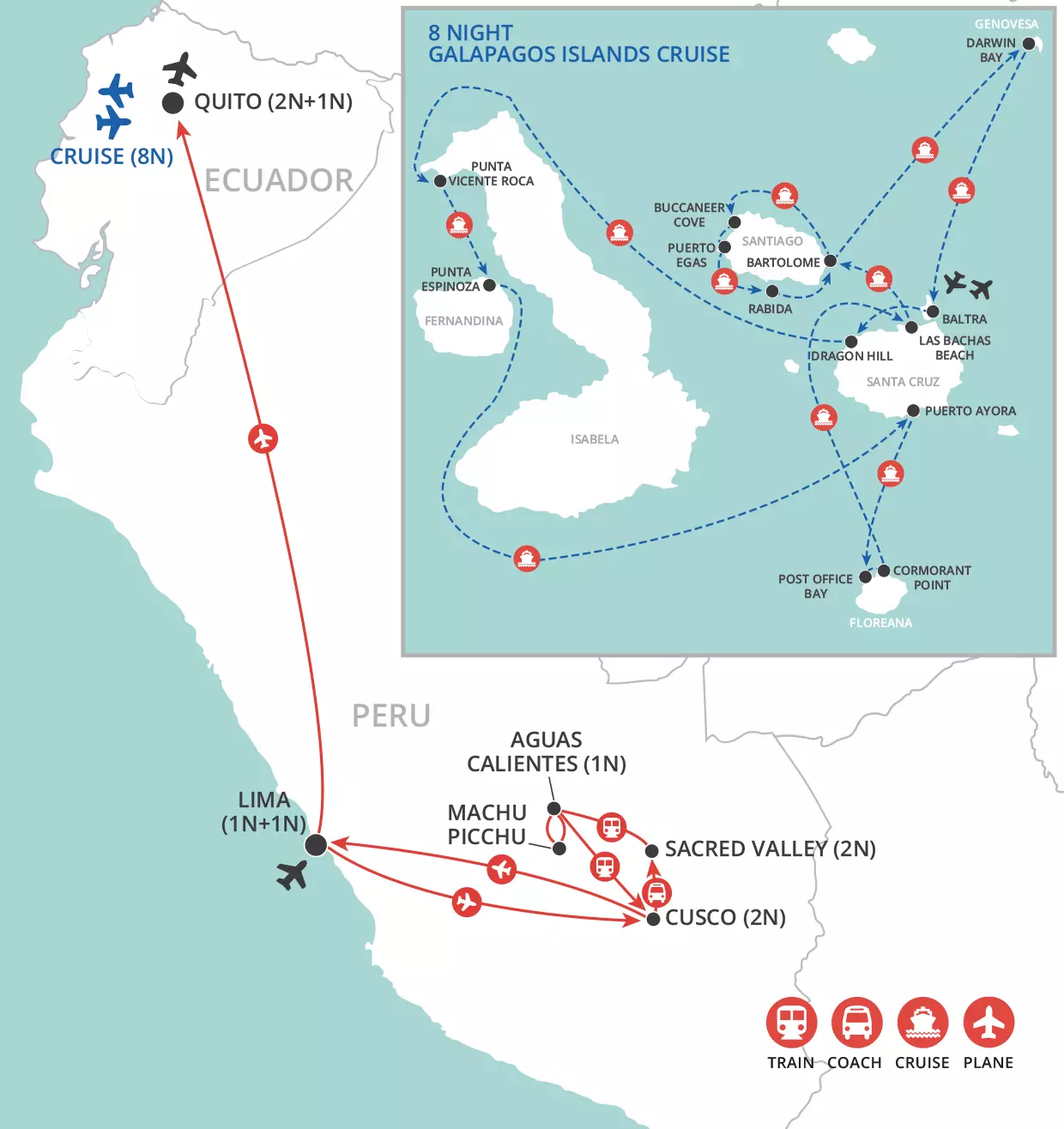
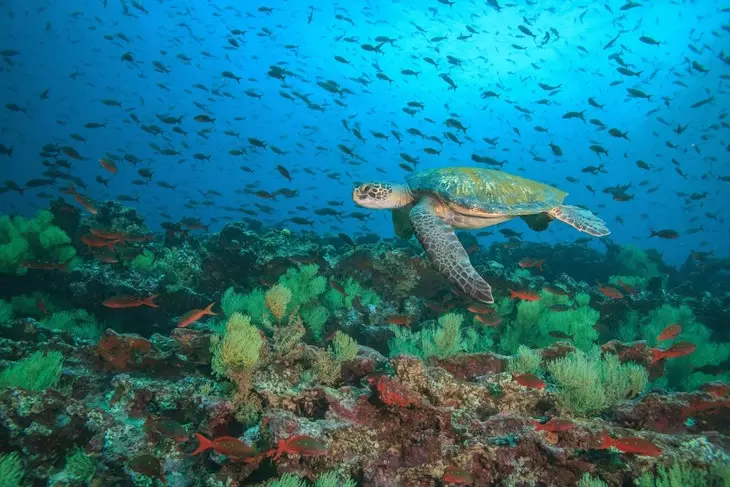
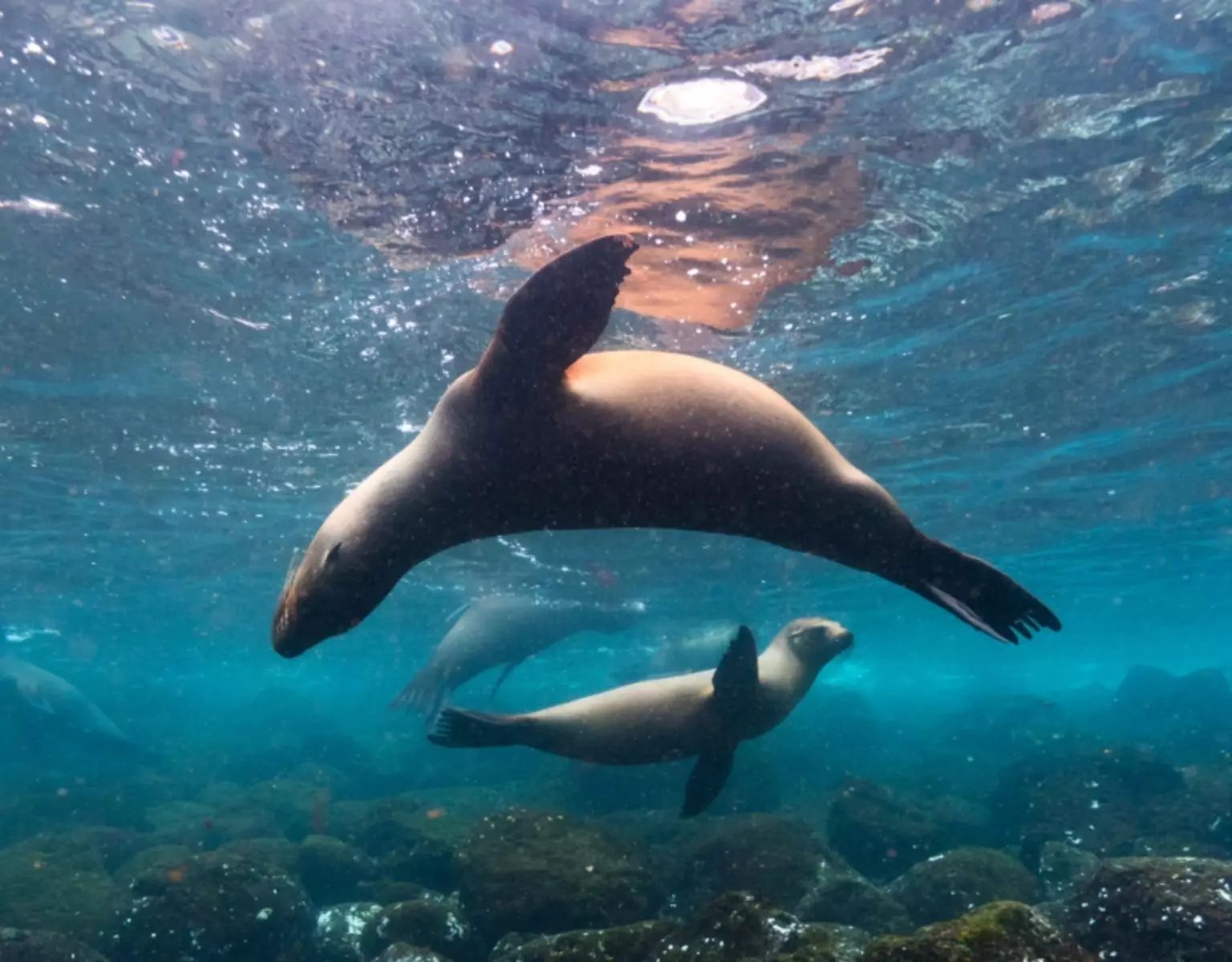
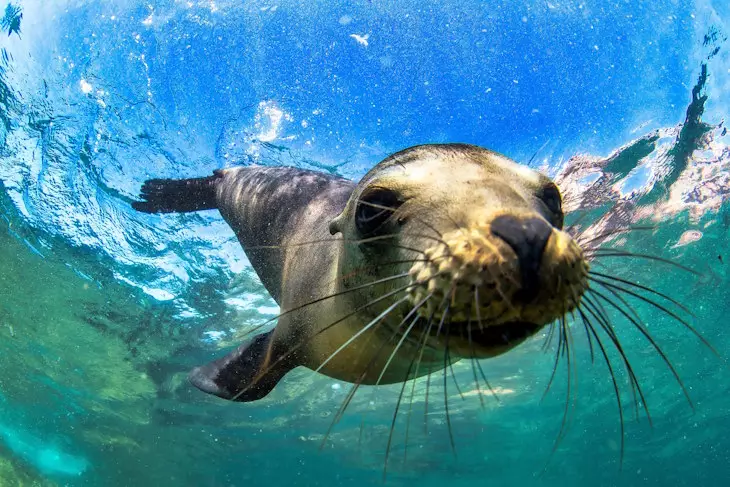
To discover the unique and extraordinary diversity of the Galápagos Islands is, for most, a truly once-in-a-lifetime adventure. Exploring here, no two days are the same – each island offers different species or landscapes – and you’ll always be with an expert naturalist guide, in a group no bigger than 16, which makes for a richer experience and helps protect this fragile ecosystem. Strict controls on numbers (100 people per site) mean it will never feel crowded. Whichever way you explore, expect close encounters with nature – snorkelling with sea lions, kayaking past cliff-top colonies, or walking with a naturalist guide. And with direct flights linking Ecuador to destinations across Latin America, the Galápagos can be added to a mainland Ecuador trip, or easily combined with Peru, Argentina, Chile, Colombia, Panama or Costa Rica.
But what is the best way to really explore this remote archipelago? Read on for our top tips…
On a Galápagos cruise, you get to wake up every day to a new island to explore, plus you’ll have access to some of the more remote islands of the archipelago, a benefit of sea-based touring. When it comes to choosing a Galápagos cruise there are things to consider. Vessels can range from small catamarans hosting 16 passengers to larger yachts up to 100 passengers. While small boats offer a more intimate experience, larger ships tend to be more stable at sea and offer more facilities. Then you have the length of itinerary. These range from four days/three nights to eight days/ seven nights, along a range of different routes. You could even do two itineraries back-to-back – the longer you spend onboard, the further you get to explore. While there are early mornings involved, it will mean being able to fit in two excursions (or more) a day, venturing to islands by panga for a mix of wet (disembarking in shallow water) and dry landings.
Land-based Galápagos adventures offer the benefit of a more relaxed pace, the comfort and space of a hotel and the literal stability of dry land! There is more freedom in the itinerary – you can build your own, adding in as much exploration and relaxation as you like – while also being able to mix with local communities. You also have the choice to stay on one island or hop between two or three, discovering all that each of them has to offer, then taking excursions from there. Excursions on a land-based itinerary are often two per day, returning for lunch, or can be a full day out exploring with lunch on the move. Combining cruise and land-based can give you the best of both worlds. Explore a few more remote islands by boat and then base yourself on one of the main islands to discover it more in-depth and take boat trips to smaller neighbouring islands and islets.
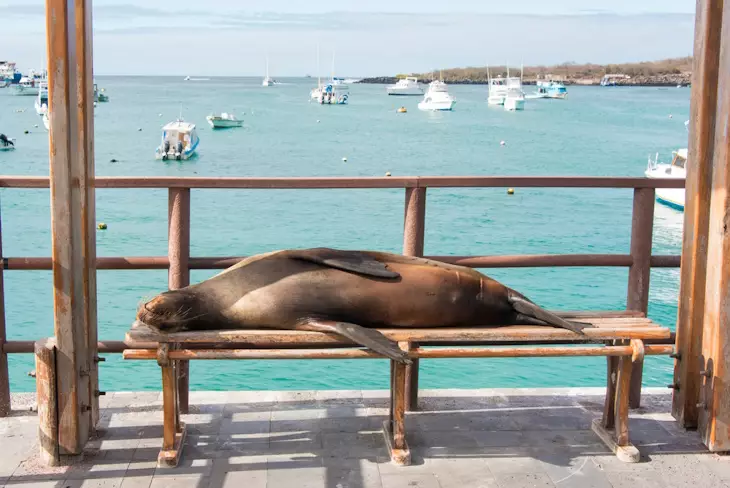
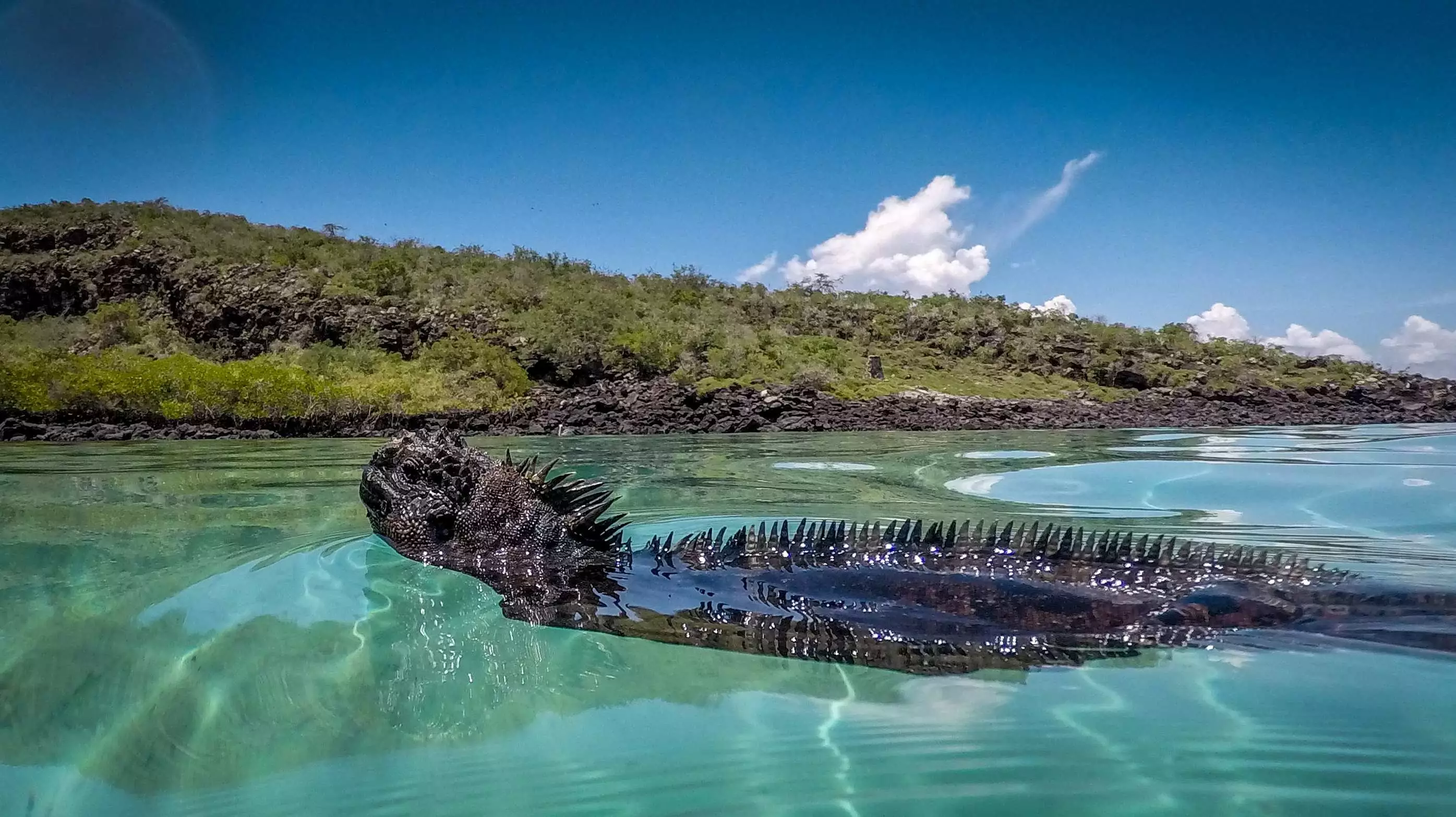
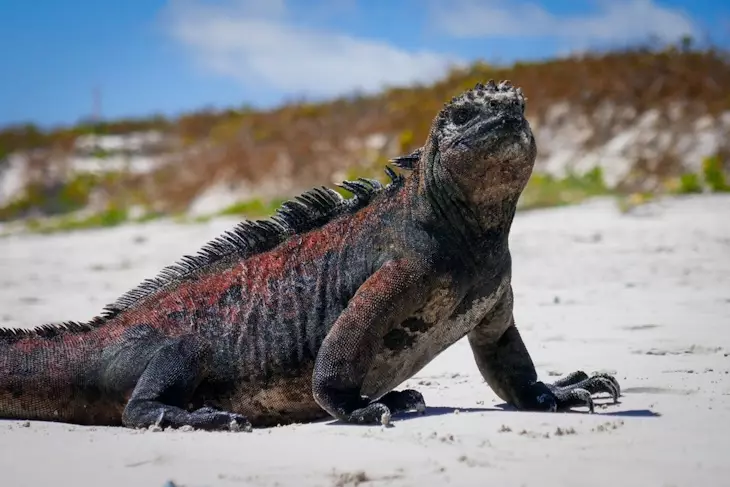
The Galapagos Islands are best known for their unique biodiversity, with many iconic species calling them home. Known for their curiosity and charismatic shenanigans, here are some of the top species to spot:
Read our latest articles or travel inspiration, exciting news about our destinations and all things Wendy Wu Tours
More than 25 years expertise offering extraordinary tours







 Time Difference UTC -6
 Approx. Flight Time 20 hours
  Visa Required? Permits and fees
 Population 32,000
 Currency $US